
EXHIBITIONS
FACULTY
Faculty Biennial 2026
April 2nd - June 10th, 2026
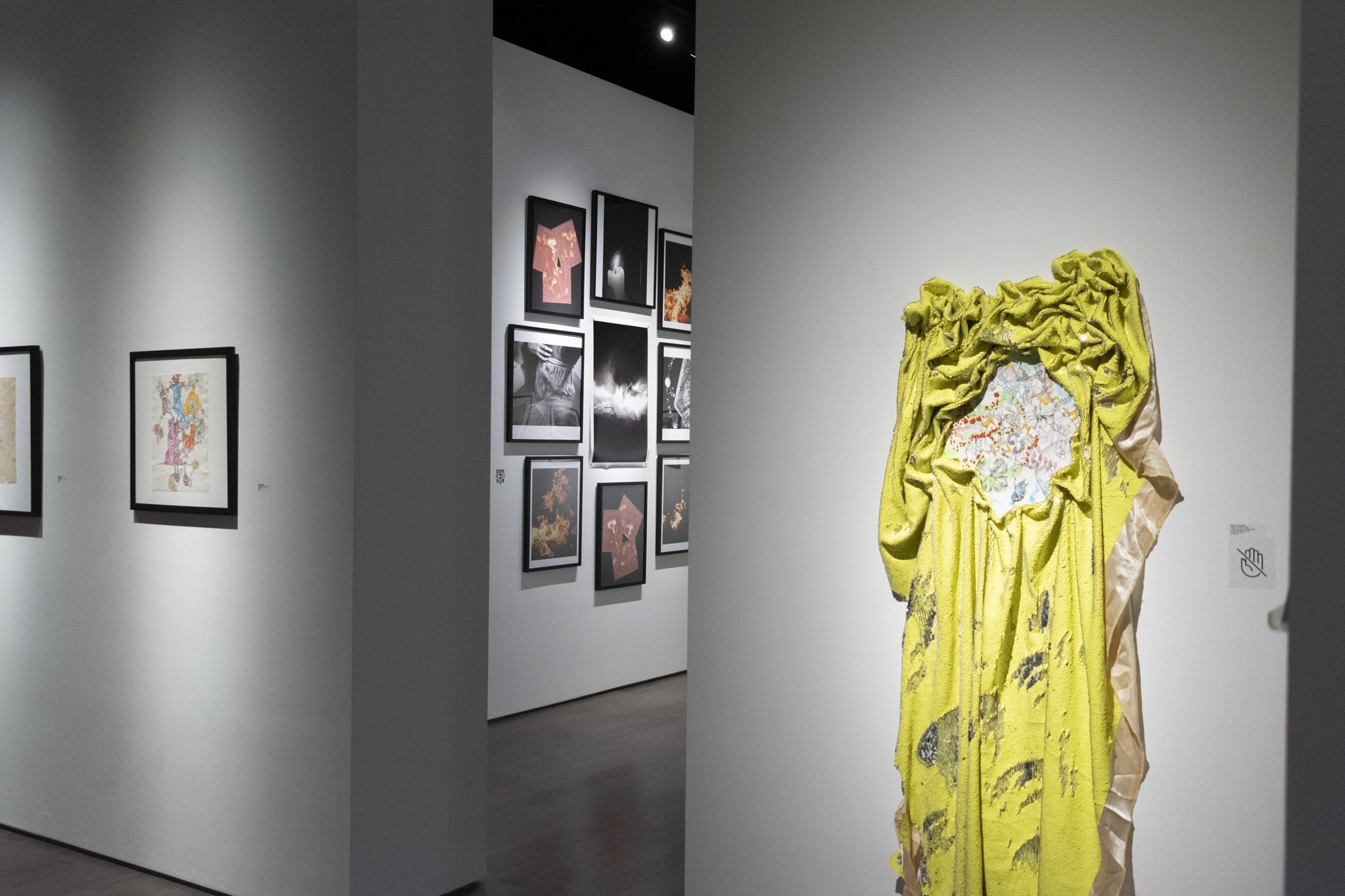
The Faculty Biennial presents recent work by Arkansas State University Art + Design faculty, highlighting a range of disciplines and approaches that reflect the depth of their individual practices and their collective impact on the university and surrounding community.
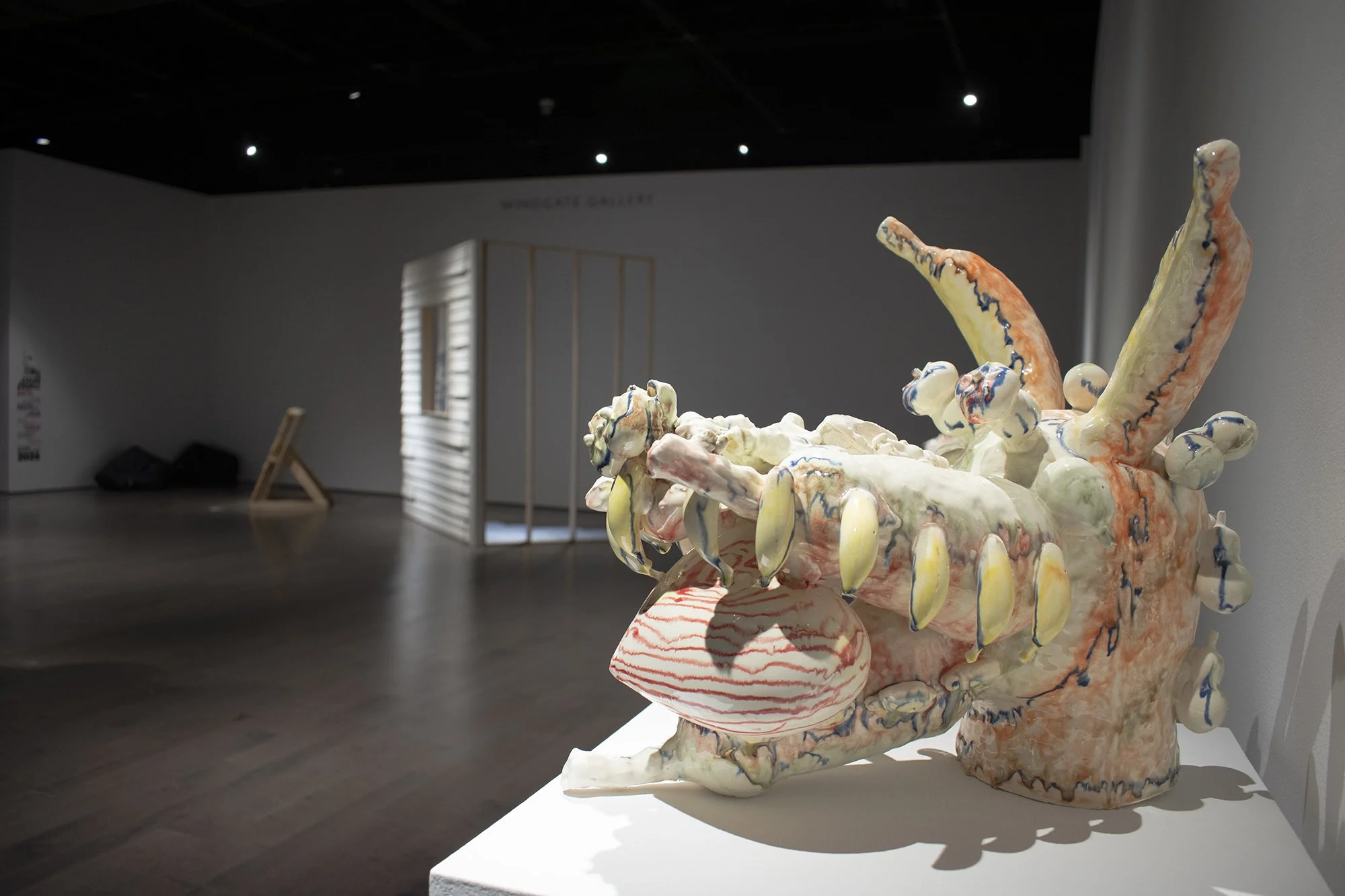
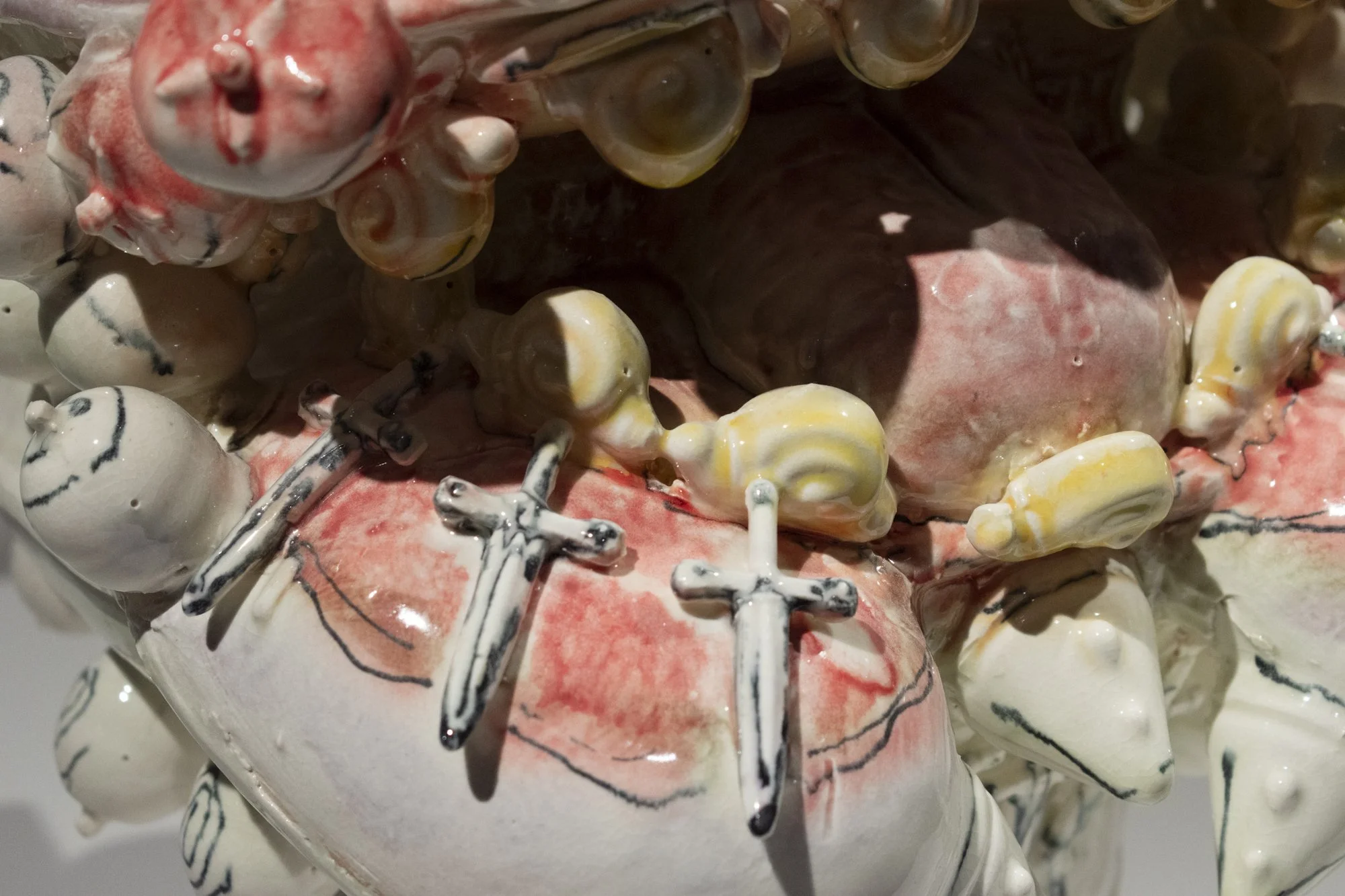
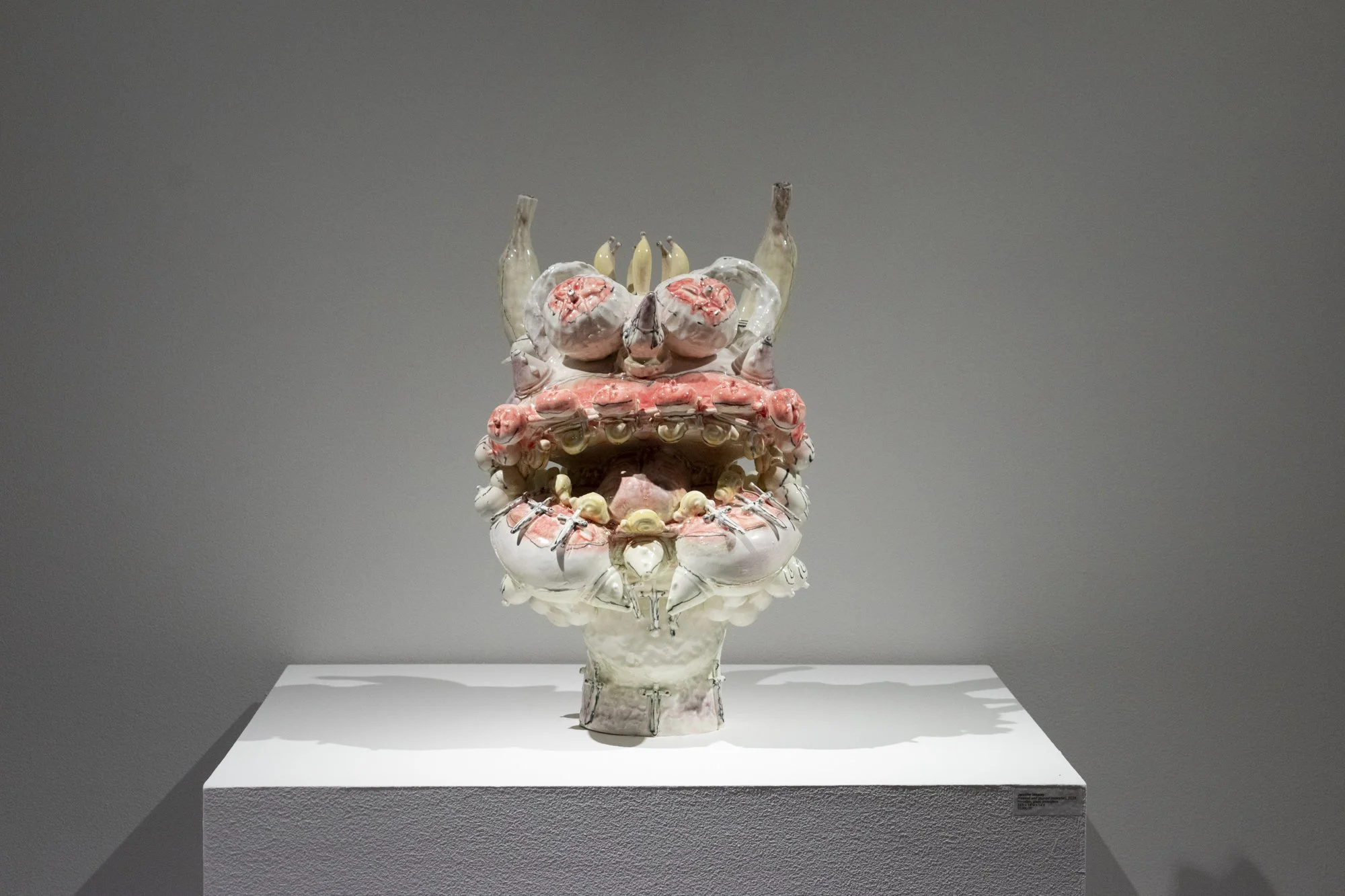
Jennifer Masley
Artist Statement
I work from a library of slip cast molds derived from hand-made and digitally fabricated forms. My work draws from both traditional slip casting methods and innovative ways to arrive at prototypes or adjacent molding processes. I look to artists engaging with slip-casting in ways that stretch function and form. I am expanding my influence by also factoring in industrial surfacing processes used in plastic or vinyl toys, and fiberglass playscapes. These influences, alongside antique Western porcelain and thrifted slip cast objects, anchors my practice in a lineage of ceramics that is irreverent yet devoted to craft. These references and traditions inform how I balance control with spontaneity, and earnestness with absurdity. Ceramics has long served as a vehicle to express universal themes: birth, death, sex, beauty, and the mundane. I’m interested in continuing these themes and updating the visual language to match those found in online spaces that are now altering how we communicate with each other cross-generationally. I am embedding narratives into the compositions of my work that speak to our current cultural moment where sincerity, humor, and darkness coexist. My surfaces borrow from European majolica and overglazing traditions, which I recontextualize to serve my imagery. Majolica offers a great way to use color in a way that can meld together with the glaze. I’ve grown interested in the way this looks on the forms I’m making which share similar quirks to plastic toys. I also see the relationship to airbrushing being a formal thread in my work which also plays with what is considered hand made. I’m drawn to visual symbols that offer narrative cues: a sword that can slash or point, a clown as a stand-in for a human presence, fruit with cultural and sexual undertones. The banana and eggplant allude to cheeky innuendos, the tomato recalls theater and public shame, the pillow references royal caskets or thrones. These recurring symbols add levity and weight, often simultaneously. The inclusion of a snail, for example, suggests a slow-moving character on the periphery- inviting empathy or humor. I see my practice as a conversation with clay, one where I bring a level of control but allow the material to speak. My work is playful, serious, chaotic, and crafted, a reflection of the tensions I see in everyday life and in the ongoing history of ceramics.
BIO
Jennifer Masley (b. Temple, TX) is an artist and curator based in Jonesboro, Arkansas. Her studio practice centers on slip-cast ceramics and experimental material research, approaching the process with a playful sensibility shaped by art-historical references, internet culture, 1990s television, and vinyl collectibles. She earned her MFA from Kent State University and her BFA in Ceramics from Texas State University. Jenn currently serves as an Instructor and 3D Technician at Arkansas State University. In 2024, she completed artist residencies at the Watershed Center for the Ceramic Arts and Anderson Ranch Arts Center. Jenn’s recent exhibitions include the Steuben Gallery at Pratt Institute, GoggleWorks Center for the Arts, the Bradbury Art Museum, and the Red Lodge Clay Center. Upcoming exhibitions include Ceramics x Fiber and MATERIALS: VOLUMETRIC REDUCTION in Detroit, MI during NCECA. As a co-curator and member of the collective DUNG30Ndwellercult!, she is organizing a group exhibition for Goldschmiede & Produzenten Galerie in Germany as part of Munich Jewelry Week 2026.
Kristen Franyutti
Artist Statement
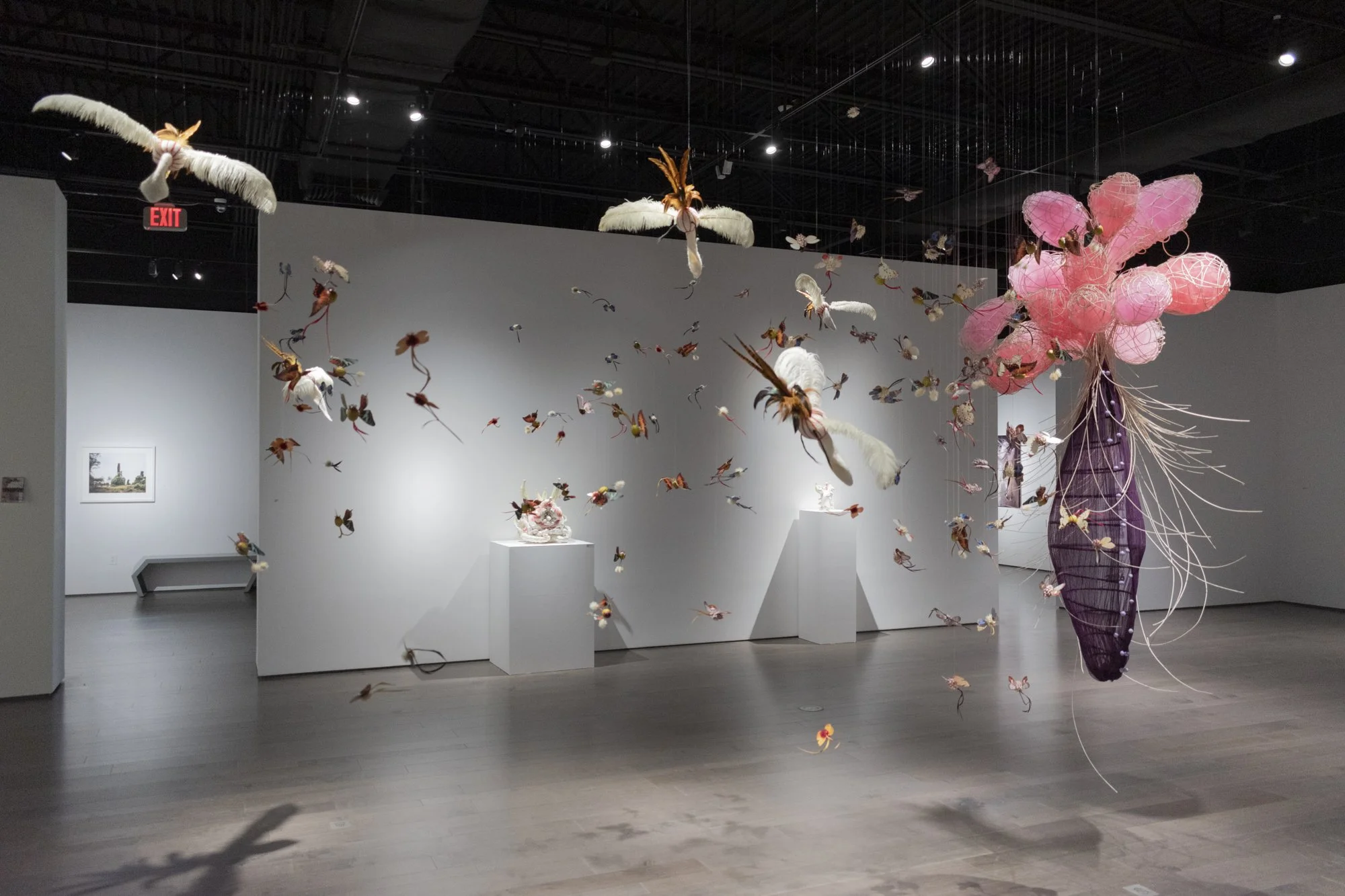
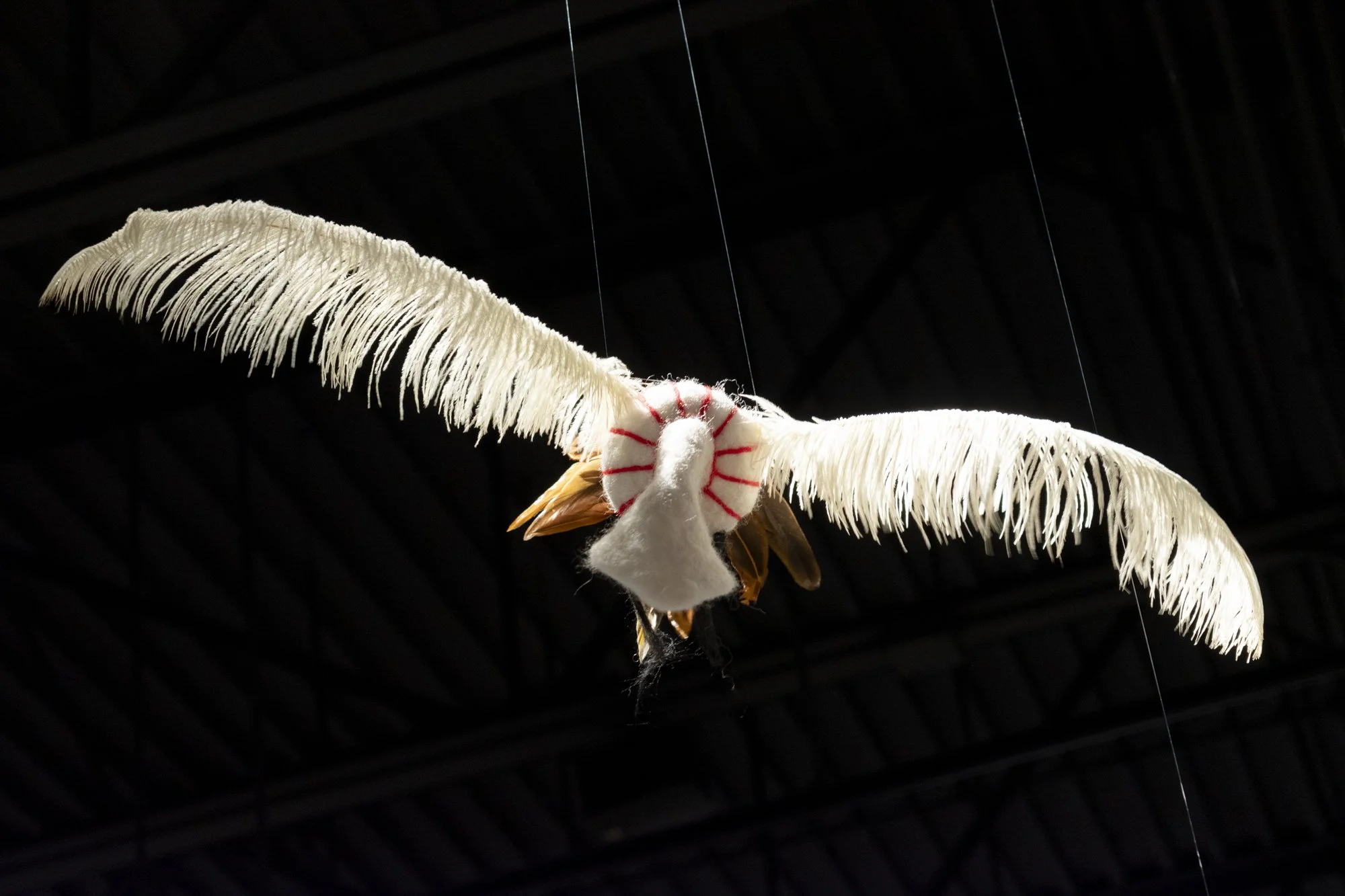
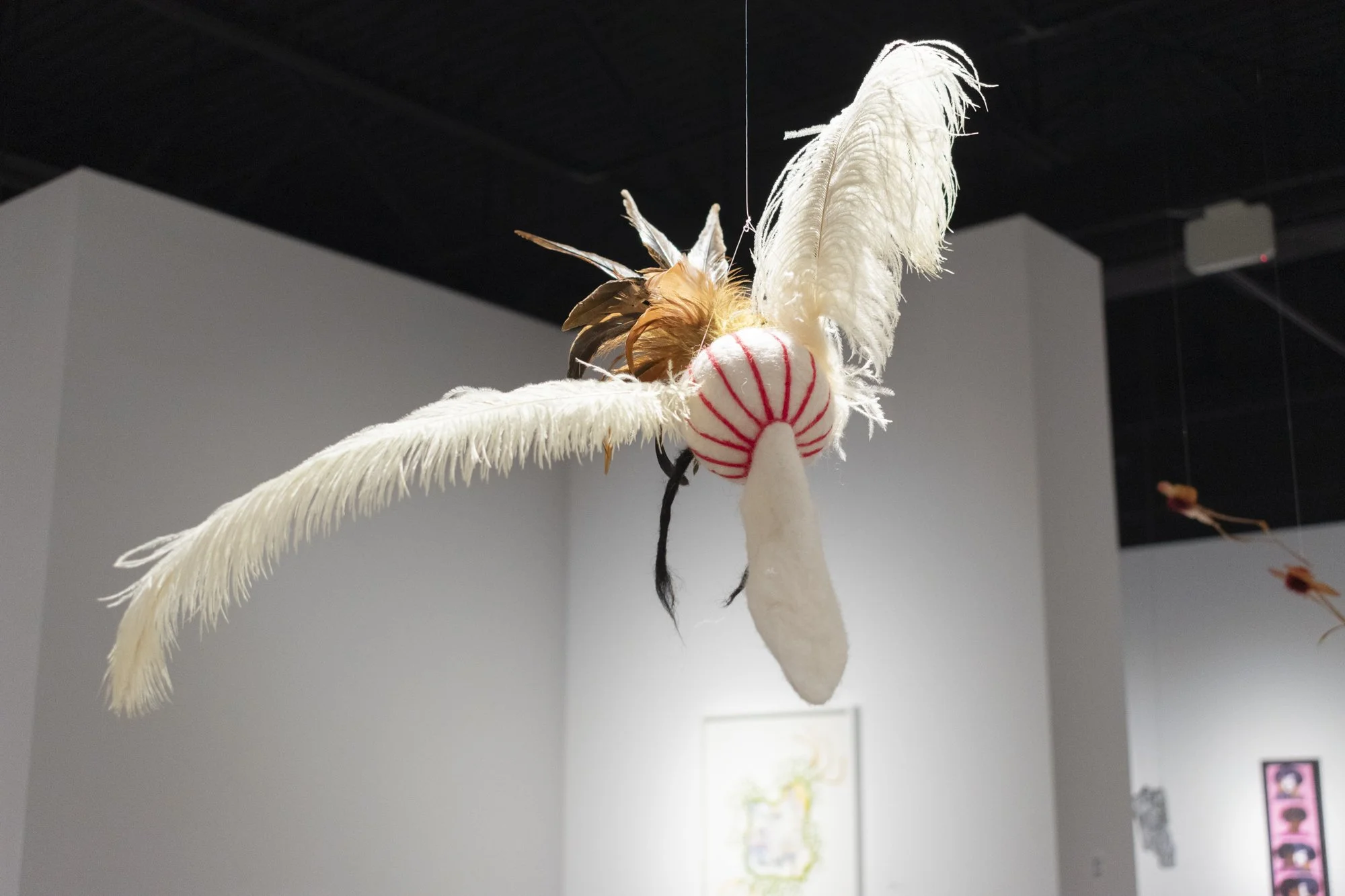
My studio practice integrates fiber art, drawing, wearable objects, and large-scale installation as interconnected research systems that investigate material intelligence, embodied experience, and speculative biological futures. Through extensive travel, I collect primary visual and tactile source material, photographs, sketches, surface rubbings, and anatomical studies drawn from diverse cultures, environments, and the human body. These field-based archives function as research tools, shaping both the conceptual frameworks and material outcomes of my work. Recent research within my practice draws inspiration from gene editing in animals and plants, particularly the ethical, visual, and structural implications of biological modification. Rather than illustrating science directly, I translate the logic of genetic intervention (mutation, hybridity, replication, and adaptation) into fiber-based forms. This process allows me to construct otherworldly environments that feel simultaneously organic and engineered, proposing speculative ecosystems that blur distinctions between natural evolution and human-directed design. Fiber functions as both medium and metaphor, its tensile strength, flexibility, and interdependence mirroring biological systems. Drawing operates as a parallel investigative language, rooted in anatomical mapping, systems analysis, and repetitive mark-making. Applied sciences, including anatomy, material science, and systems theory, inform my methodology, positioning textiles and drawing as experimental sites where structure, pressure, and transformation are tested. Wearable works extend this research onto the body, treating garments as mobile architectures that activate questions of protection, exposure, and identity. Installations further expand these investigations into immersive spatial experiences, inviting viewers to physically navigate environments shaped by speculative biology and global visual research. Through this interdisciplinary approach, my work seeks to bridge scientific inquiry, cultural observation, and embodied experience, offering tactile propositions about adaptation, ethics, and the future of living systems.
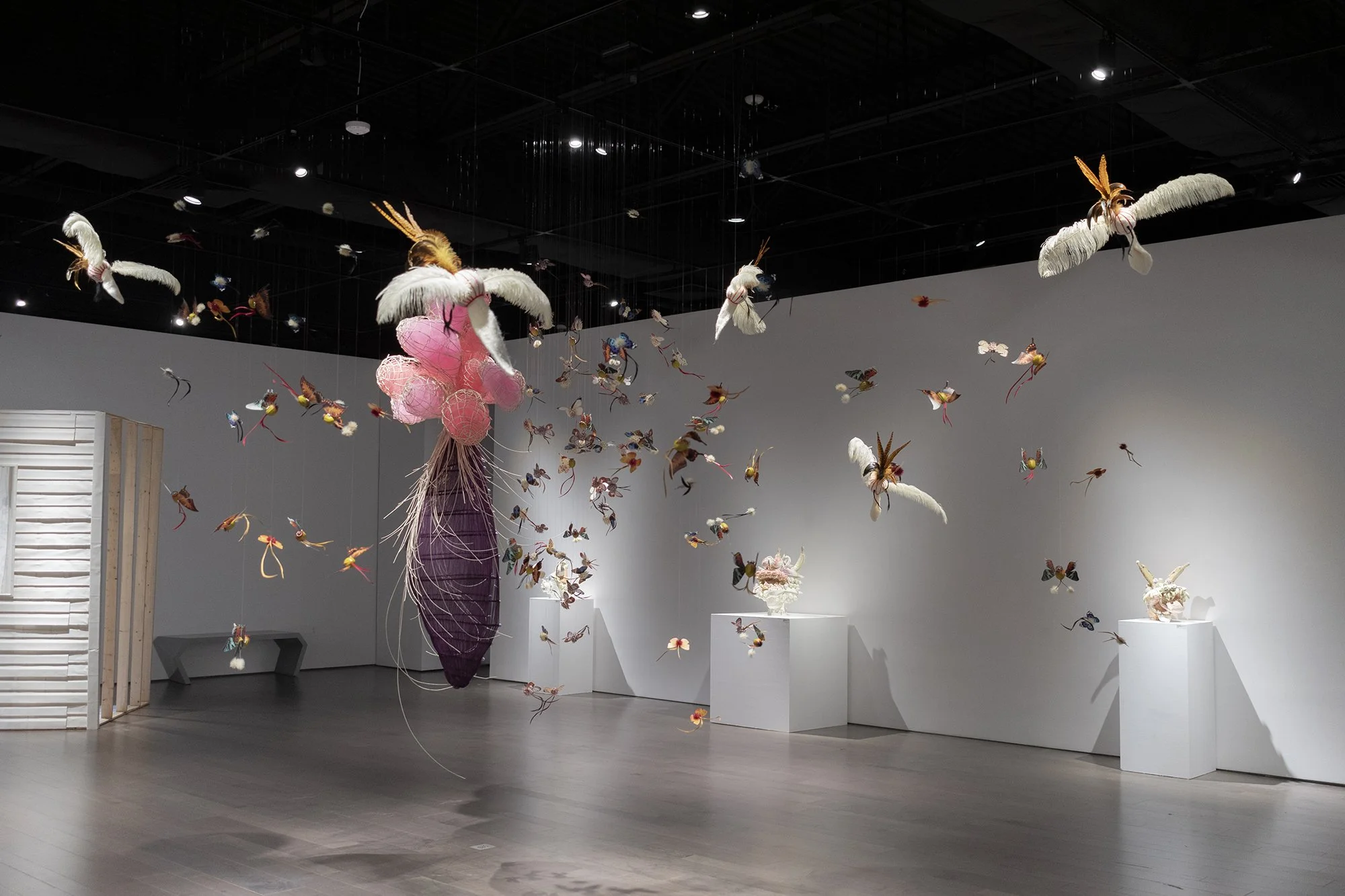
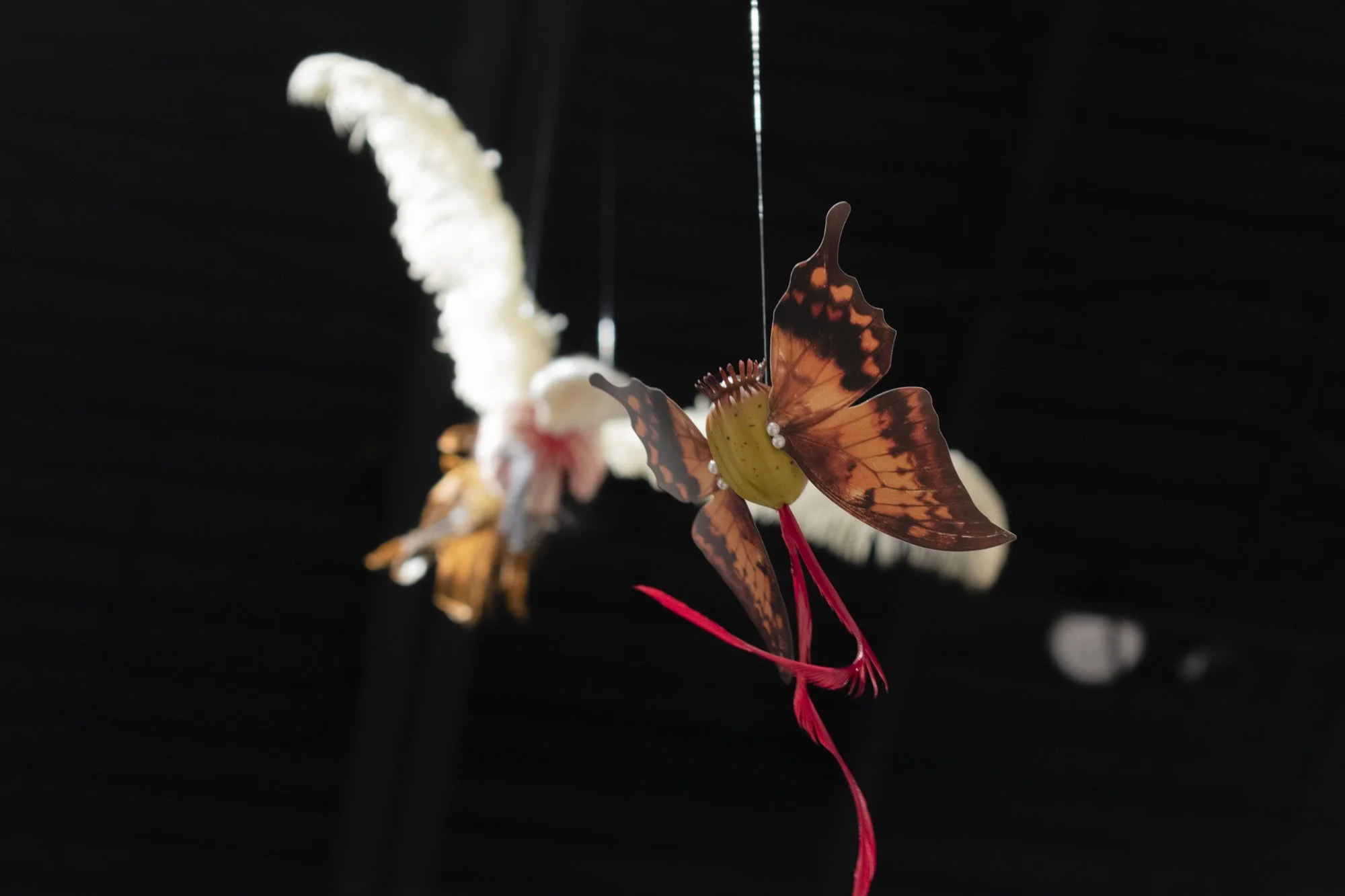
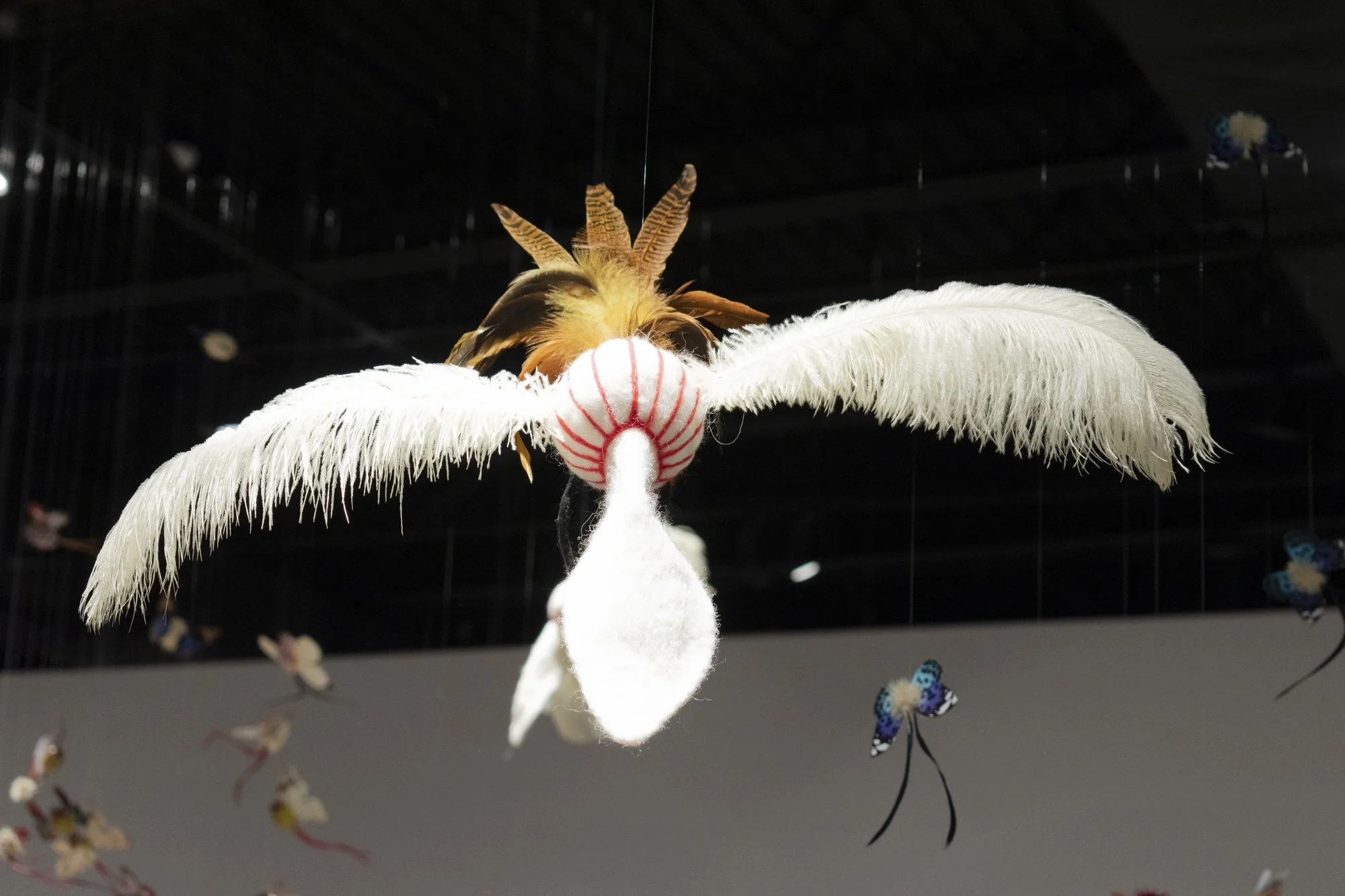
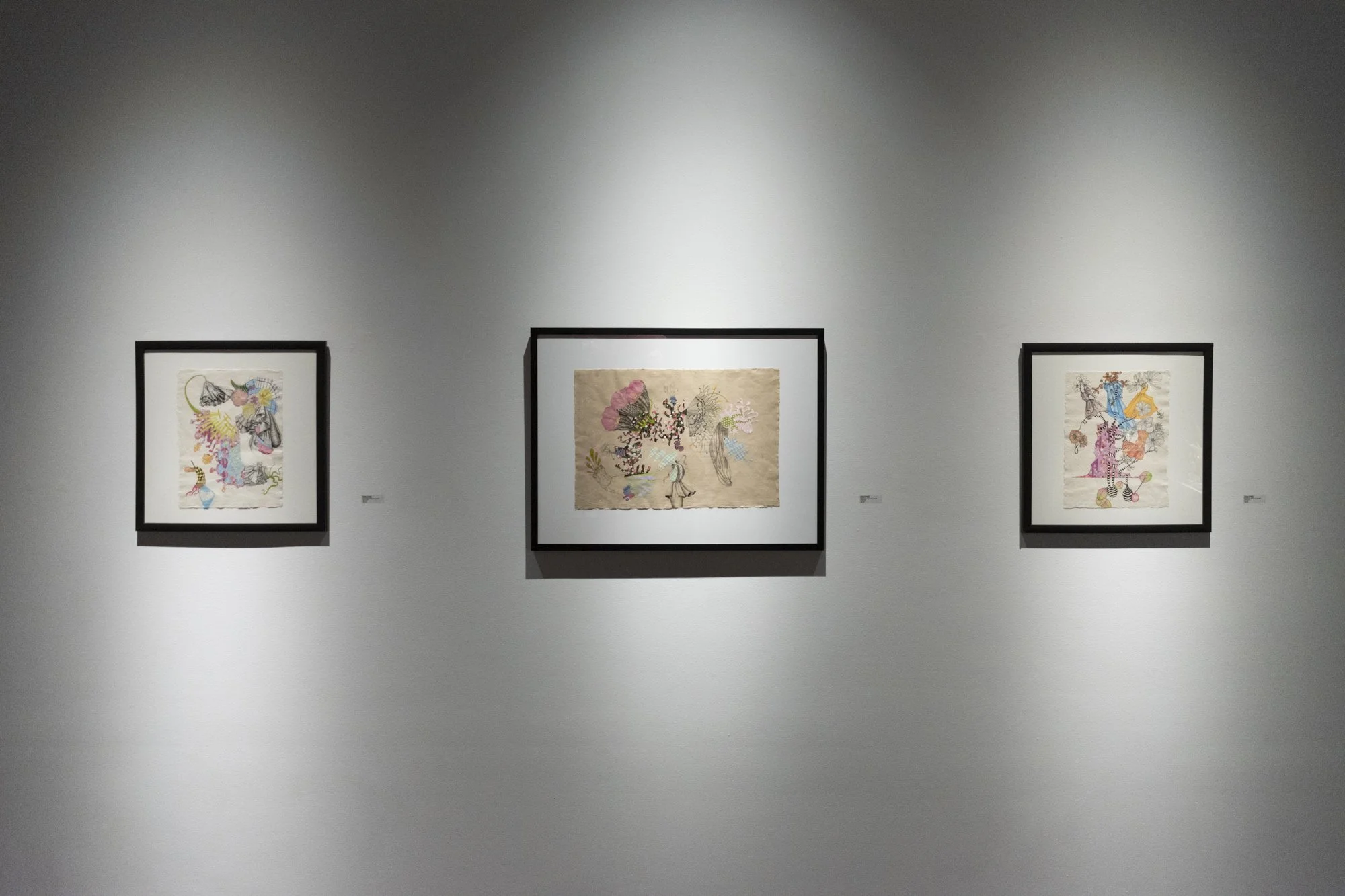
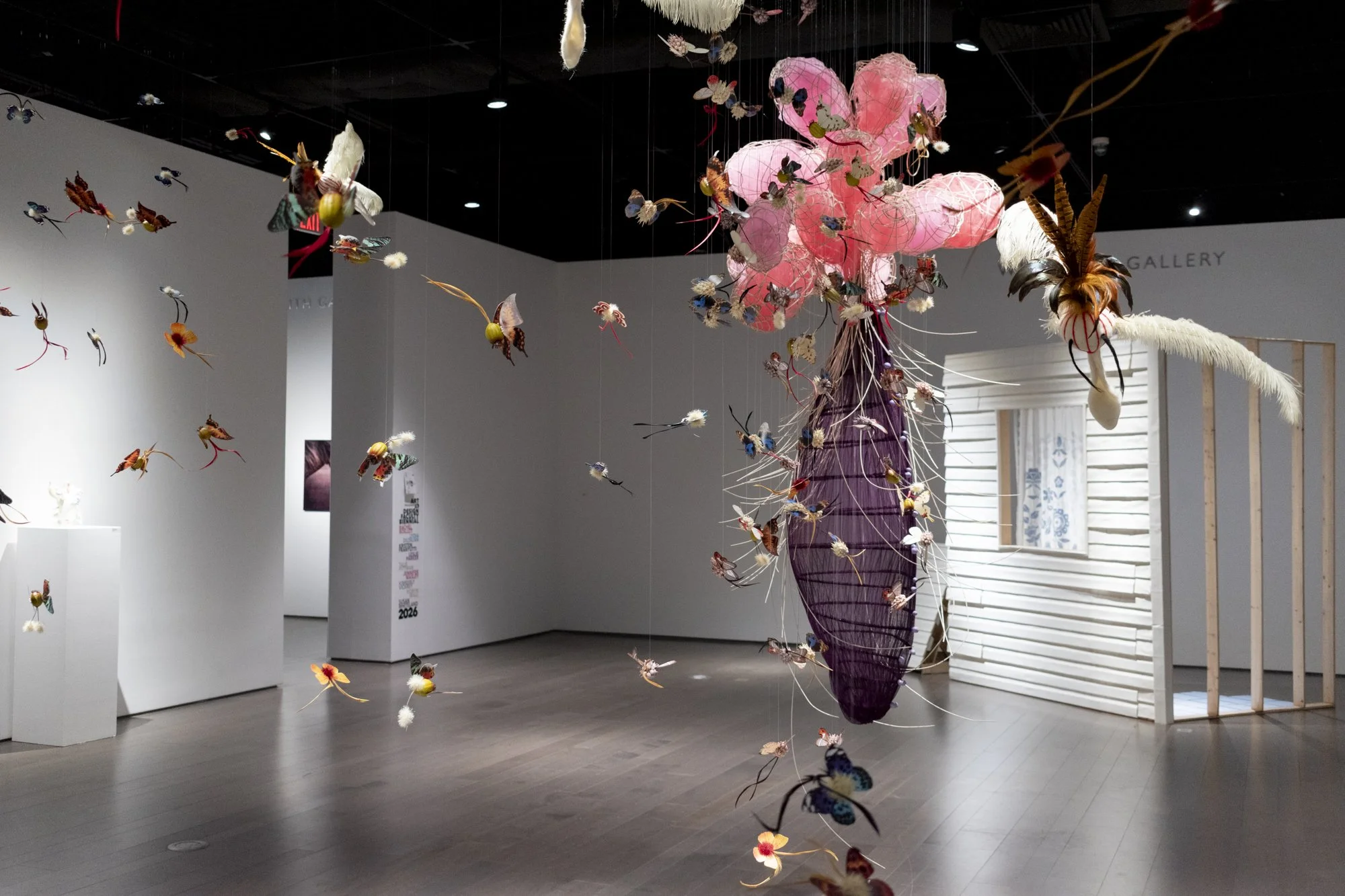
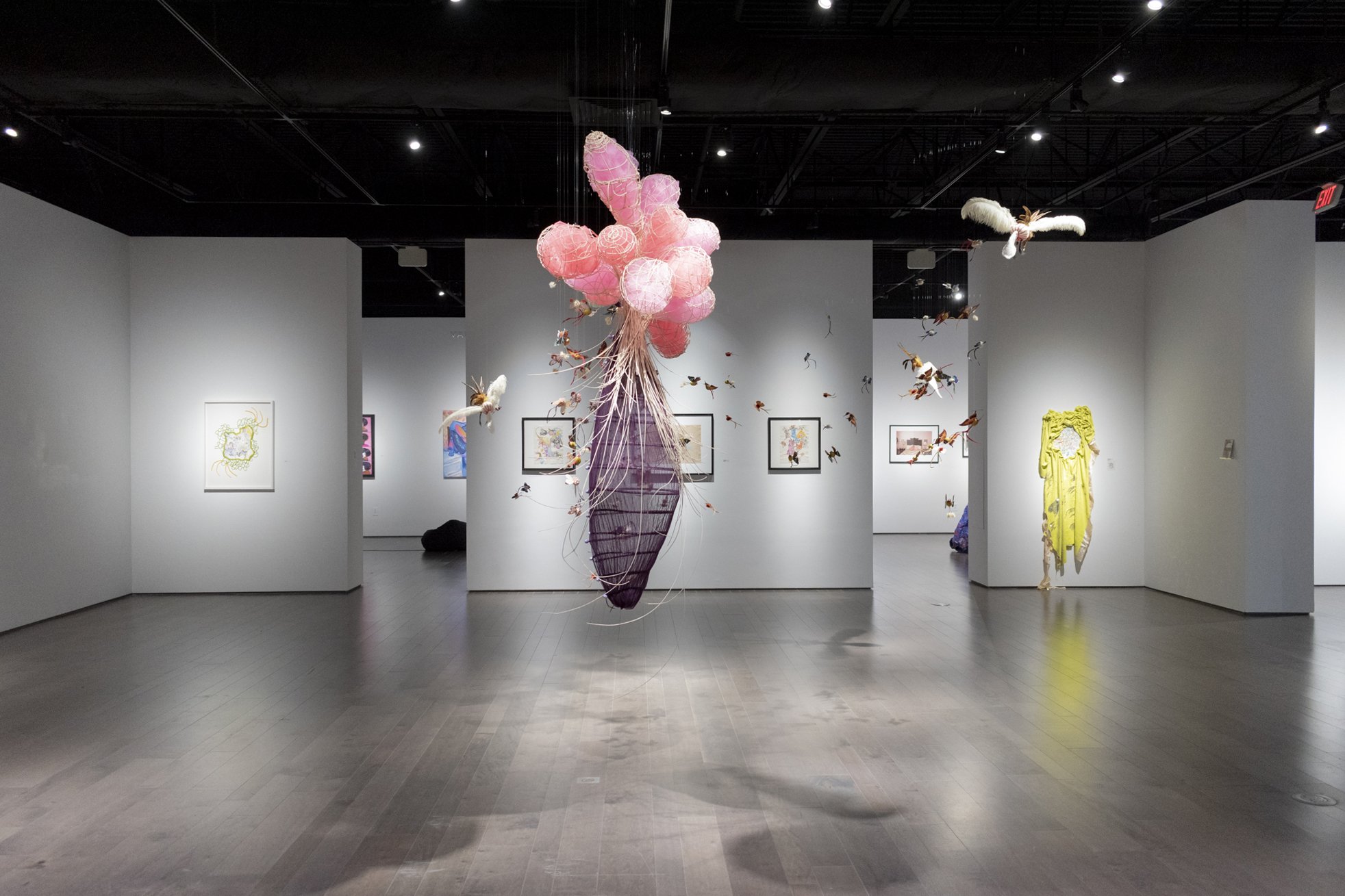
BIO
Kristen Franyutti is an American artist with a BFA in Fashion Design from the University of North Texas and an MFA in Painting and Drawing from Michigan State University. Kristen's travels around the world have provided her with inspiration from various cultures, specifically those in the Middle East, Asia, and Europe. Her artwork has been exhibited in shows throughout the US and internationally, including notable exhibitions in South Korea, Canada and Australia. In the US, her work has been displayed at prestigious galleries such as the A.I.R Gallery in Brooklyn, the Eli and Edythe Broad Art Museum in Michigan, and the Bradbury Art Museum in Arkansas. Kristen has been awarded multiple grants and awards for her exhibitions, and her work has been featured in a range of publications, such as Fiber Art Now.
Talie Pittman
Artist Statement
There’s this core memory I have. It’s one of my earliest, from when I was two. There was this ‘forest’ behind our house. It wasn’t anything close to being an actual forest, I’m sure, but my brother and I would play out there for hours. My biggest fascination with the forest were the snails. In my memory, these slow, methodical creatures were the size of my hand. I would pick them up to feel them move across my palm. I would just watch them travel, sticking to the pine needles as they wandered. I would gently touch what (I now know to be) their eye stalk. The snail would pull it back into their squishy body and then freeze. Slowly, the eye would emerge, and they would go on their way. The memory stuck with me, as did the quiet love for snails. They’ve been on my mind lately, these snails. Mostly it’s been about their shells. These things that are designed for protection. But the shell is also a burden. Their shells are a heavy weight for them to drag around. There’s a reason slugs have evolved without them. But snails, they kept their shells. Protection and burden all in one. I’ve also had identity on my mind lately. How identity can be a heavy weight that we carry around with us. A burden. We all have masks we wear, different behaviors we have. How we are at work, with family, with friends, alone. These masks protect us from repercussions or conflict or even just weird looks, but they can be exhausting to wear. Snail shells are also often portrayed as home in popular imagery. A snail carries its home with it. Figuring out one’s identity can feel like coming home. It’s something precious that we carry with us through everything. And it can be a burden if our identities are seen as abnormal or dangerous. These sculptures aren’t perfect. Each snail is a water-based resin cast from a silicone mold of clay sculptures. When the cast is taken out of the mold, it is still hardening. This makes the tentacles very vulnerable to snapping. But I see this as just speaking back to my memory of playing with the snails. I’ve chosen not to clean the molds between casts. This means the last influences the next. A heritage of the process and a continuation of mark making. Between snapped parts, air bubbles, and the patterning of the black and white resins each snail, each journey, is unique. These snails wander through the gallery, on journeys we don’t know or understand, but that we can be part of for a moment as we discover their journeys. They are a little moment of something else, something unexpected. In the end, I hope that they are a little moment that stay with you.
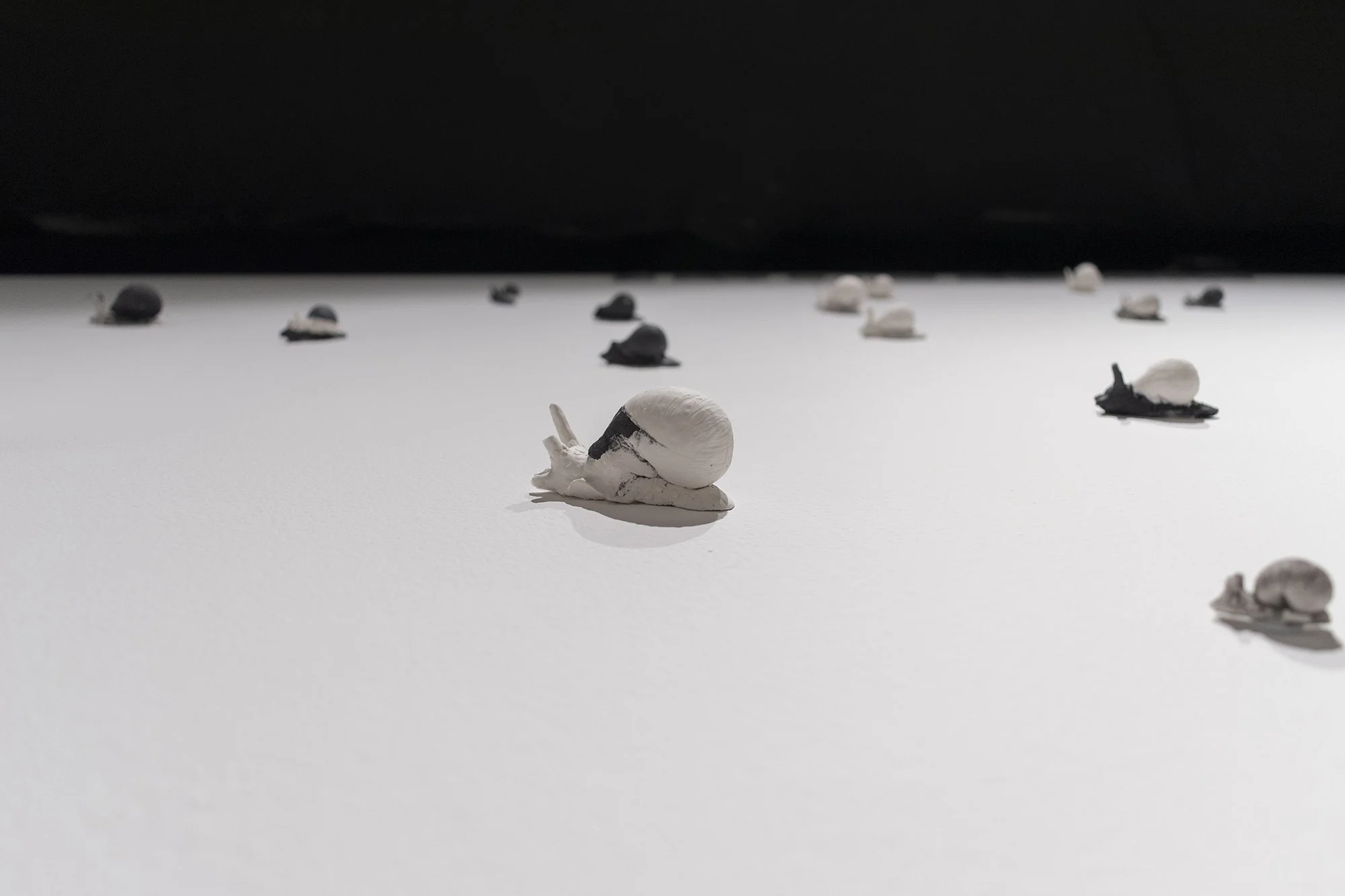
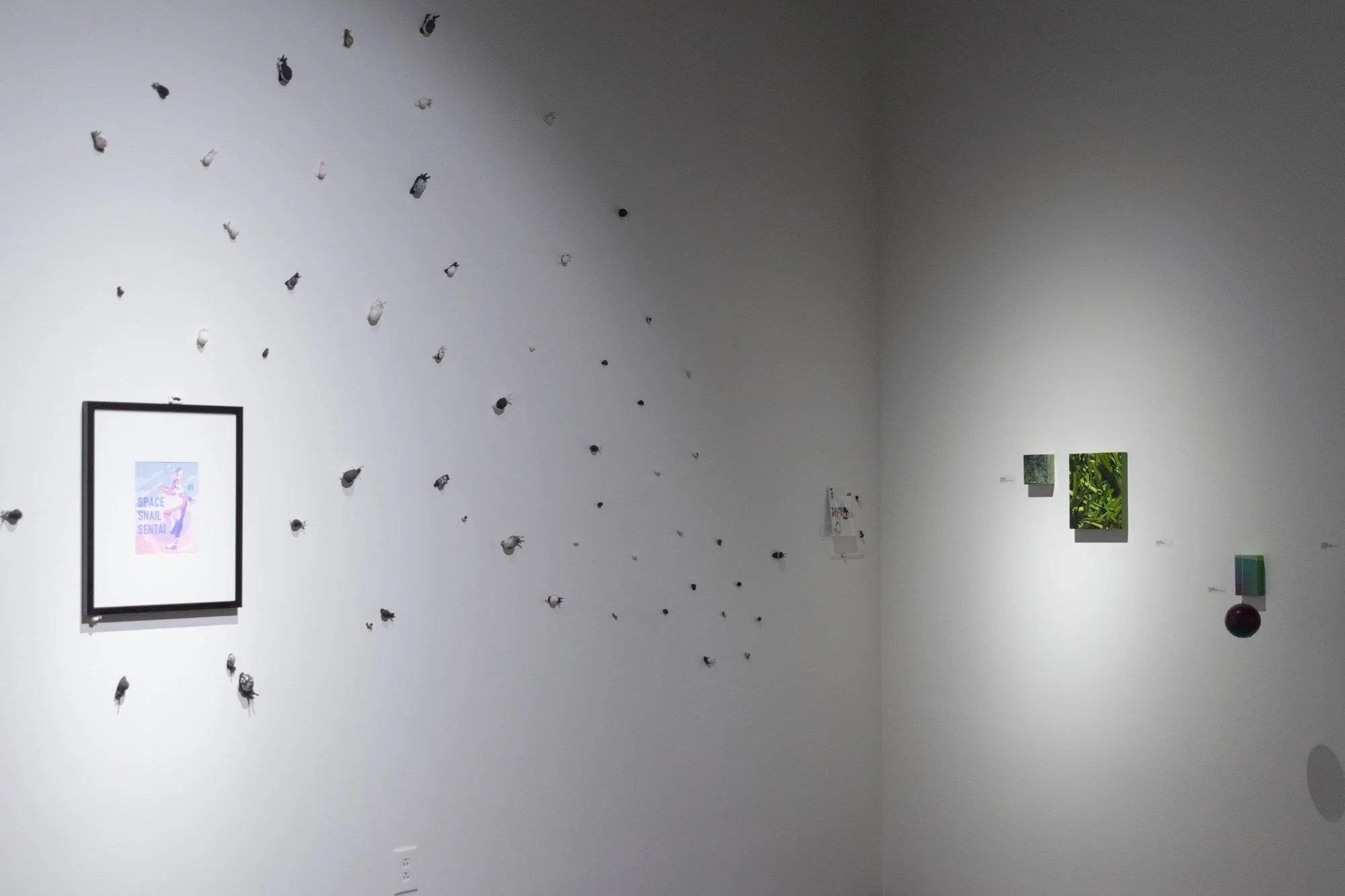
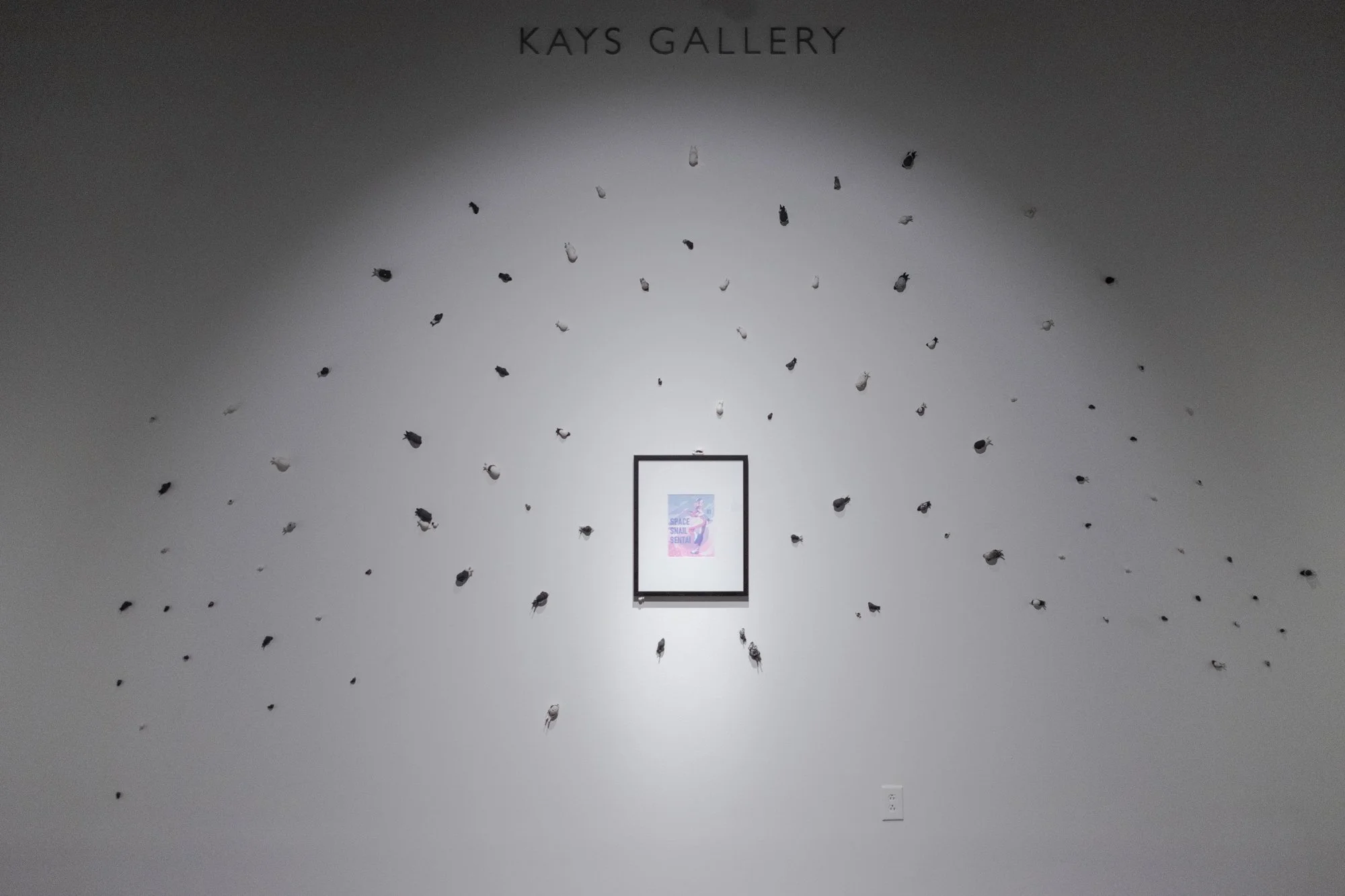
BIO
Born in Florida, Talie Pittman grew up traveling the country due to their father’s job. Eventually they settled (much to their mother’s regret) in the greater Houston Texas area. No matter where they were, Talie always had their parents and older brother to provide creative distractions. They call themselves a ‘Crayola kid’: drawing, painting, and creating stories has always been part of who they are. They have a BS and an MFA in Visualization Sciences from Texas A&M University. While finishing their BS, Talie was approached to teach and redesign a course because the department ‘needed someone who could actually draw’ to work with the faculty. In that very first course, they fell in love with teaching. This helped them decide to support and pursue the new MFA program. They were one of the first two MFA degree holders to graduate from Texas A&M. Talie went into teaching directly out of school in 2013. In 2022, they began working at Arkansas State University as the Assistant Professor of Animation.
M. Robyn Wall
Artist Statement
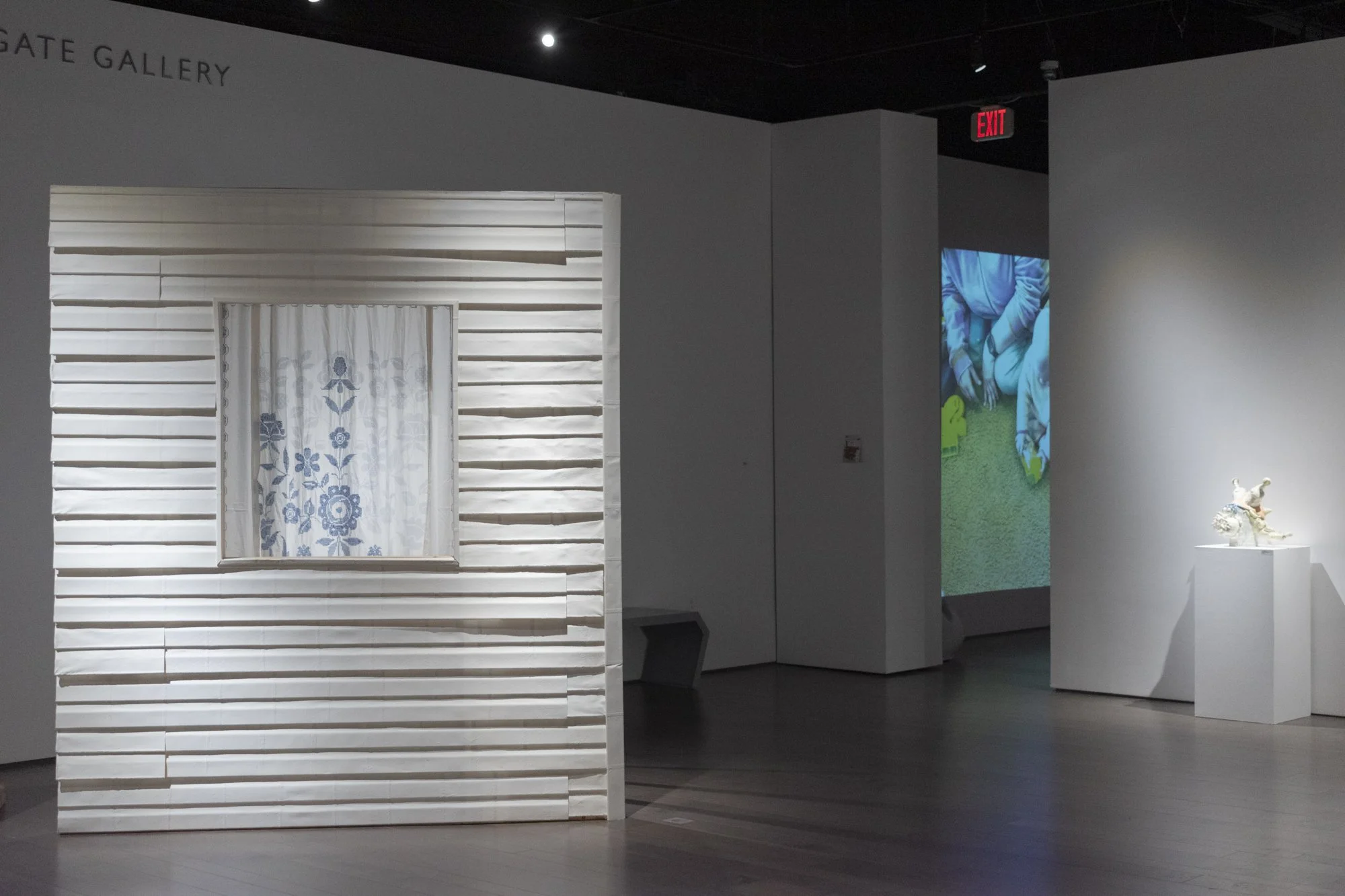
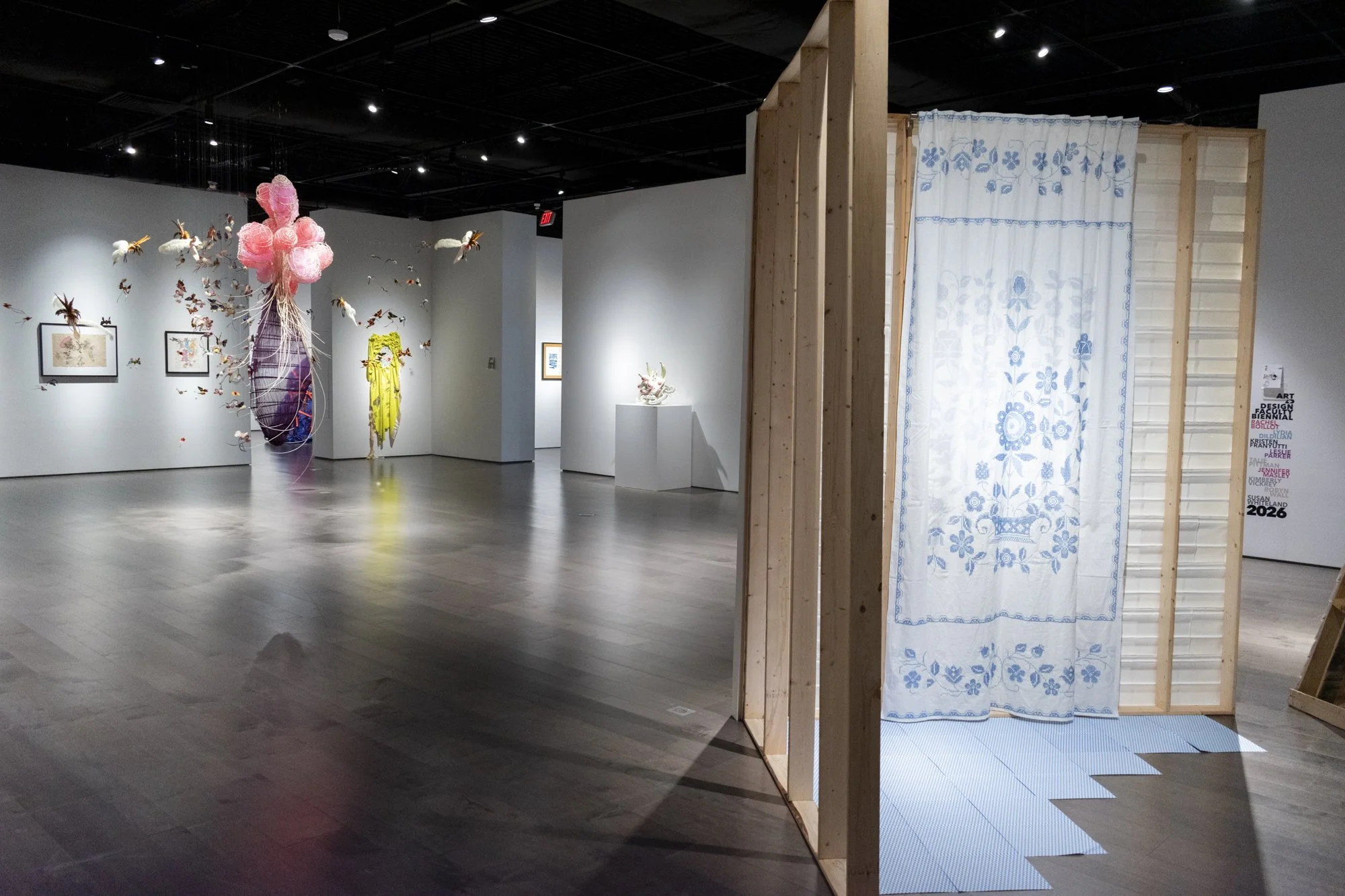
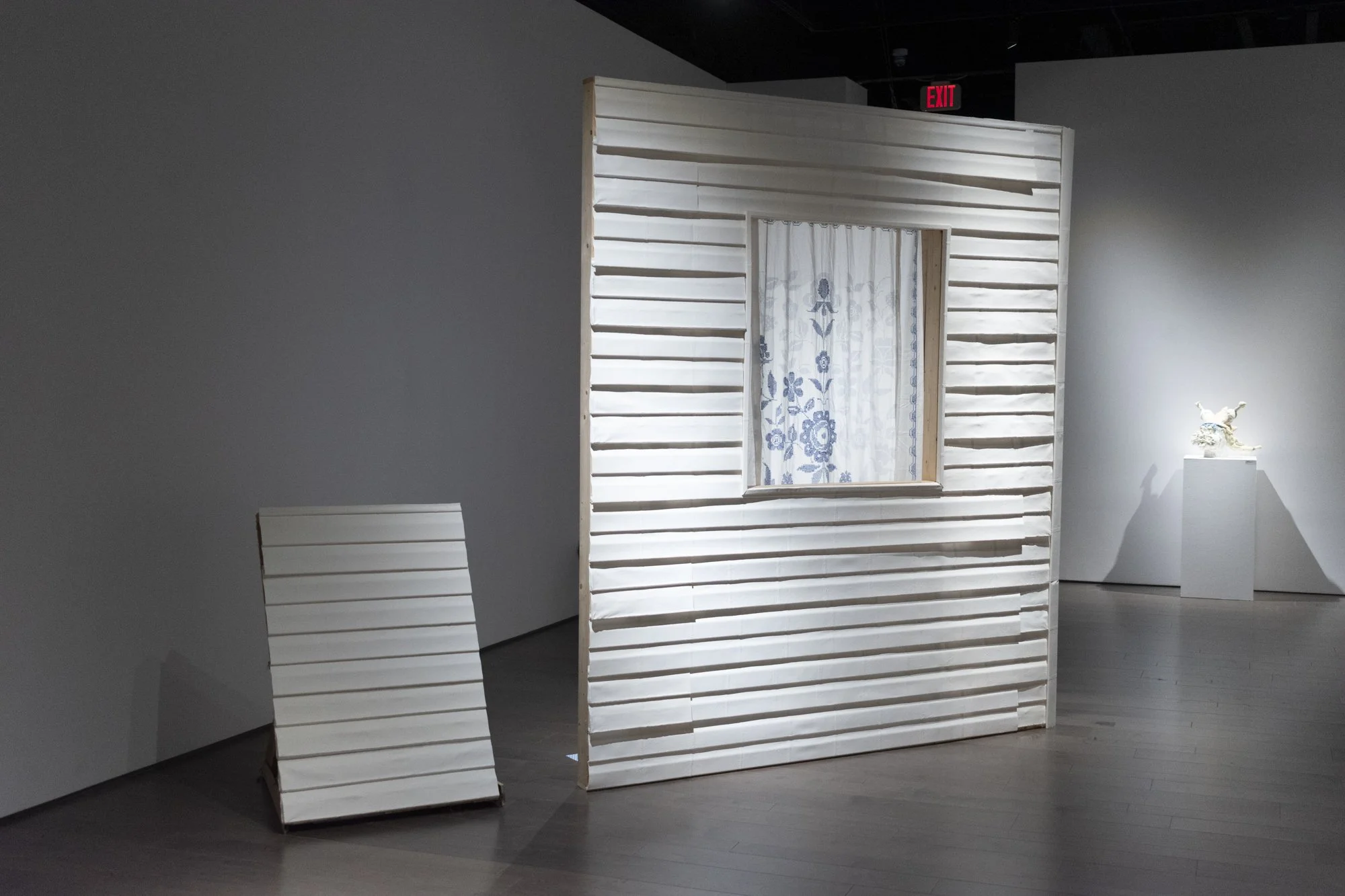
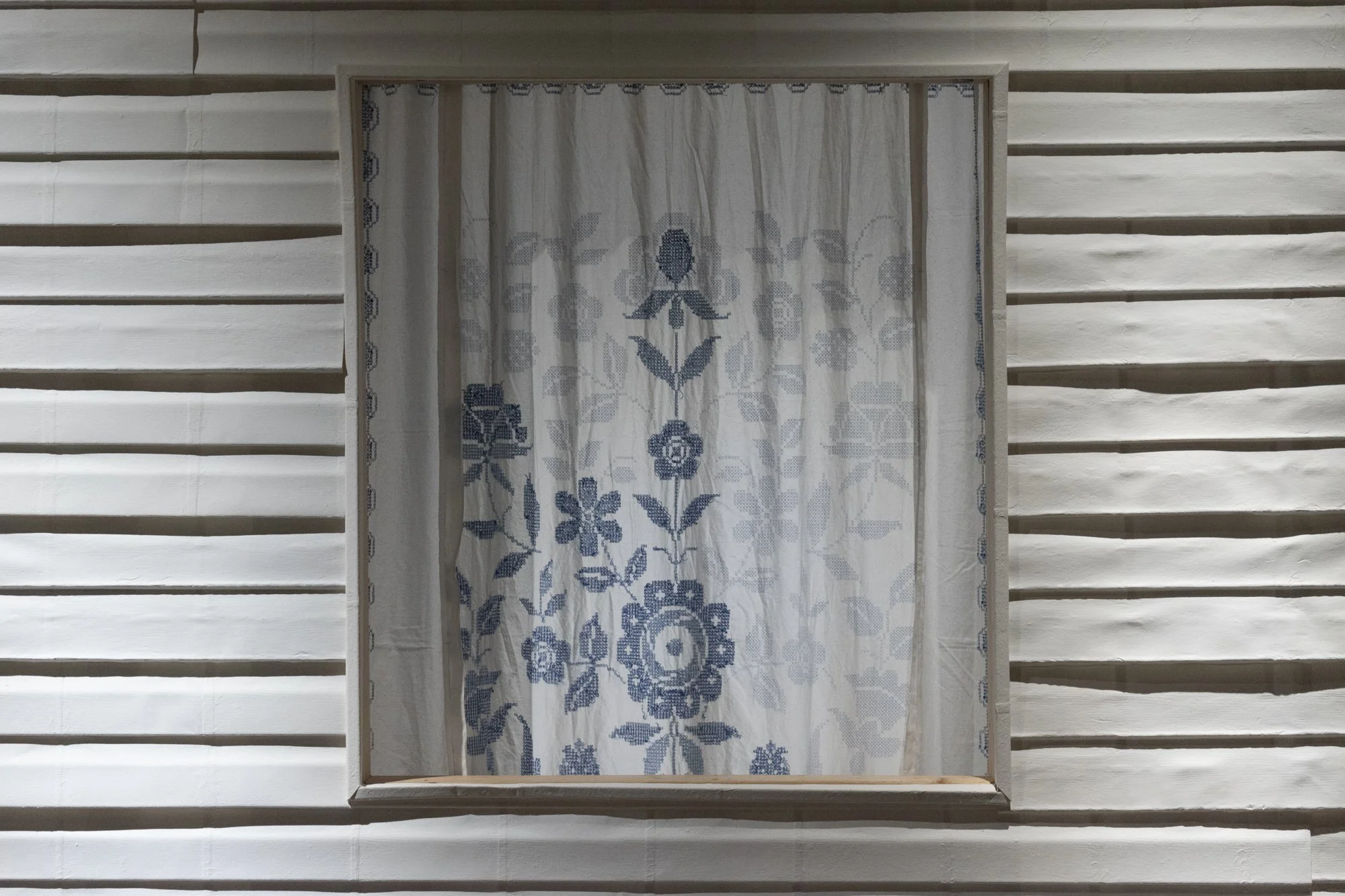
Weaving in and out of the wooden framework of my family’s unfinished house is fond memory. My dad was a carpenter and I was surrounded by the process of creating. When the town’s sawmill closed down there was a lack of jobs so my family relocated, imbuing an interest in the modular and transient nature of houses. My installations are based on the physical structures of homes, floor plans and exterior treatments. When emphasizing external housing treatments, I use mass-produced building materials and cast them using paper fibers. I embrace wooden framework to evoke structural stability while fiber-based surfaces are reflective of an interior psychological space. Paper and fabric are central to my work because of their pliable nature and ephemeral qualities that better reflect living situations and the transitory nature of homes. Within print and fiber, I am investigating the decorative arts, gendered labor, production and use value. There is a concern for accessibility, education and material use at the heart of both media. Domestic objects act as interventions of space that provide comfort and protection while using inherited knowledge. I am referencing intersecting histories of mass produced printing with my family’s craft traditions in the creation of a home.
BIO
M. Robyn Wall is an interdisciplinary Canadian American artist. She graduated with a Bachelor of Fine Arts with honors from the University of Manitoba, Canada. She studied at the University of New Mexico then received her Master of Fine Arts at Louisiana State University. Before teaching at Arkansas State University in Jonesboro as an Assistant Professor of Print, she held an Associate Professor in Printmaking position at Delta State University, MS. From 2022 - 2024 she was a board member of the national print organization Mid America Print Council. She currently organizes the annual Print Symposium at A-State. Recently, she completed a Pentaculum Residency at Arrowmont. Her work has been shown in over one hundred seventy-five exhibitions in the United States, Canada, Germany, Turkey, Portugal, Australia, Italy and Japan.
Rachel Boillot
Artist Statement
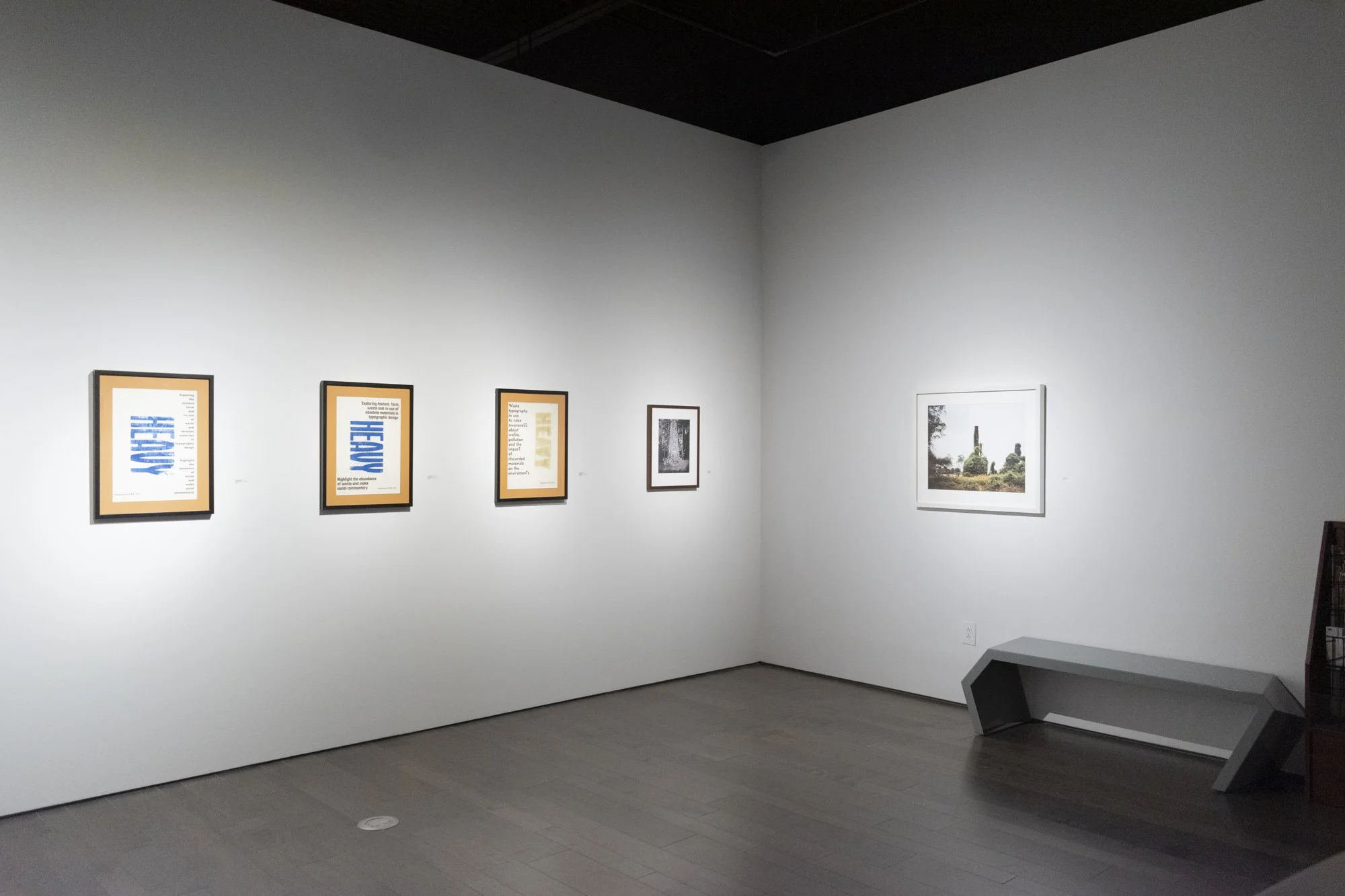
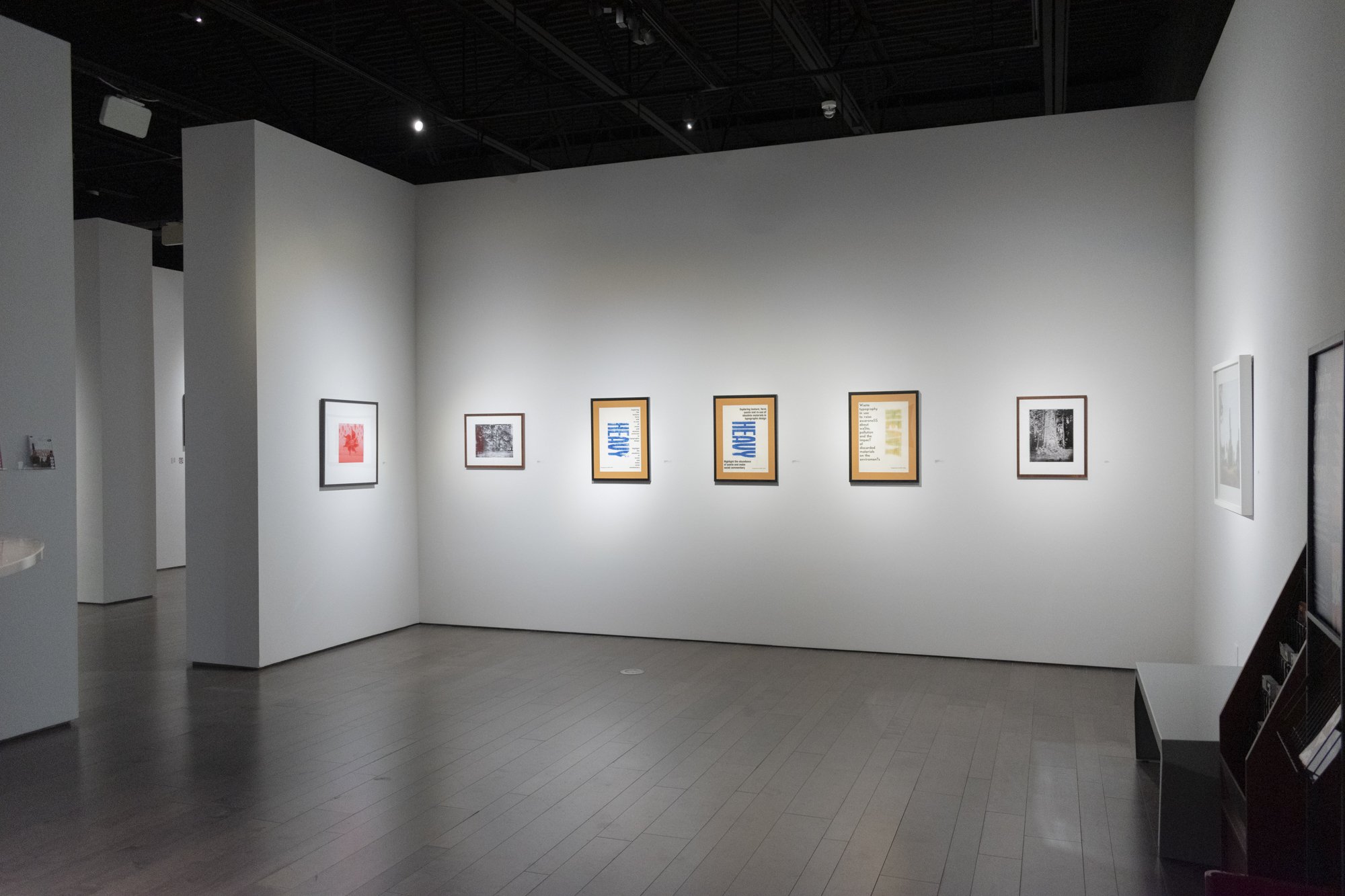
My photographs explore place, narrative, and memory in the American landscape.
BIO
Rachel Boillot is an artist and educator based in the Arkansas Delta. She earned her MFA at Duke University in 2014. Her monograph Moon Shine: Photographs of the Cumberland Plateau was published in 2019 (Daylight Books). Her work has been funded by the National Endowment for the Arts, the Tennessee Arts Commission, the Riverview Foundation, and the Kentucky Documentary Photographic Project.